
7 day pastrami brine recipe

Pastrami Brine Recipe: How to Build Flavor with a 7-Day Cure

If you want to make real-deal pastrami at home, it all starts with the brine. A properly built pastrami brine doesn’t just season the outside; it transforms the meat from the inside out, creating that bold, savory, deli-style flavor that makes pastrami so addictive.

In this recipe, Tommy the Butcher walks through how to build a pastrami brine for beef short ribs using toasted spices, garlic, salt, sugar, and curing salt. The process is simple, but the payoff is huge. By the time the meat comes out of the brine, it’s fully seasoned and ready for the smoker.

If you’ve been looking for a way to step up your beef game beyond traditional BBQ, this is it.

Watch the Full Pastrami Brine Process

Before you get started, watch the full video to see exactly how this pastrami brine comes together,  from toasting the spices to submerging the short ribs for the cure.

Ingredients

Core Brine Components

  • Water
  • Kosher salt
  • Sugar
  • Pink curing salt
  • Garlic

Pickling Spice Blend

  • Coriander seeds
  • Black peppercorns
  • Mustard seeds
  • Allspice berries
  • Cloves
  • Juniper berries
  • Cinnamon stick
  • Bay leaves

View recipe card below for exact measurements and printable instructions.

How to Make Pastrami Brine

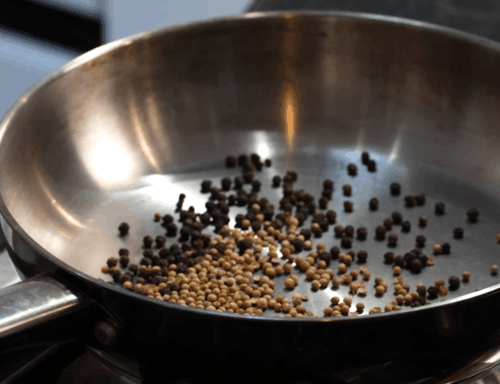
peppercorns roasting

1. Toast the spices

Start by toasting the coriander seeds and black peppercorns in a skillet over medium heat.

You’re not trying to cook them — just wake them up. Once they become fragrant, they’re ready.

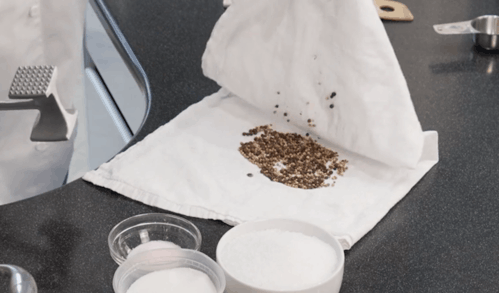
Ground coffee spilled on a white napkin on a dark kitchen counter, with cups of milk and sugar nearby.

2. Crush the spices

Transfer the toasted spices to a towel and crush them with a mallet or rolling pin.

Keep them coarse. You want cracked spices, not powder.

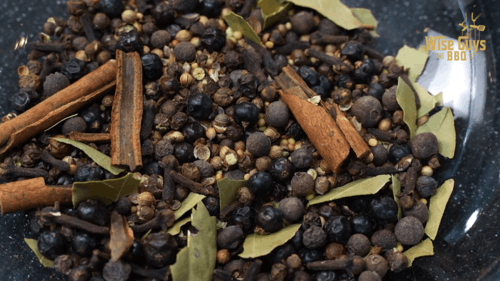
mixed spices

3. Build your pickling spice

Combine the crushed spices with the remaining whole spices like mustard seed, allspice, cloves, juniper, cinnamon, and bay leaves.

This blend is what gives your pastrami brine its signature depth.

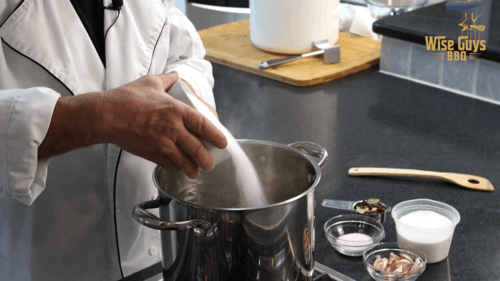
boil brine

4. Create the brine

In a large pot, combine your water, salt, sugar, curing salt, garlic, and a portion of the pickling spice.

Bring everything to a boil and stir until fully dissolved.

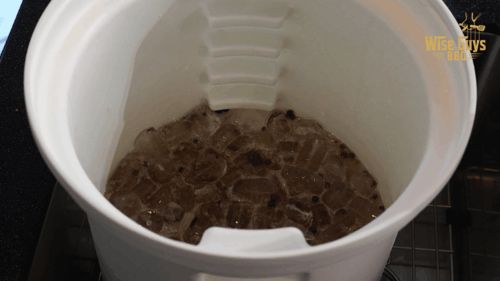
ice in brine

5. Cool the brine

Add ice to a large brining container, then pour the hot liquid over it.

This rapidly cools the pastrami brine and brings it down to a safe temperature before adding the meat.

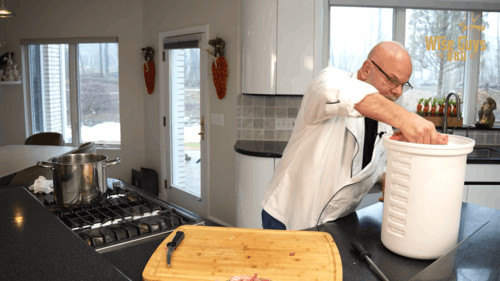
submerging meat in brine

6. Submerge the meat

Place the meat into the brine and use a plate or weight to keep them fully submerged.

This step is critical — uneven exposure leads to uneven curing.

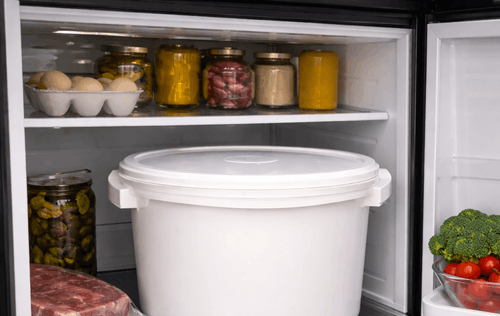
brine in fridge

7. Cure for 7–10 days

Refrigerate the meat in the pastrami brine for about a week.

This is where the flavor builds. The longer cure allows the seasoning to fully work its way through the meat.

Final Thoughts

A great pastrami starts long before the smoker — and this pastrami brine is where it all begins. It’s a simple process, but every step, from toasting the spices to the full 7-day cure, plays a role in building that deep, signature flavor.

If you enjoy this recipe, you’ll definitely want to check out our corned beef brine recipe as well. While the flavor profile is different, the technique is closely related and gives you another way to transform beef with a proper cure.

And if you’re looking for more ways to cook with beef, try our Osso Buco recipe!


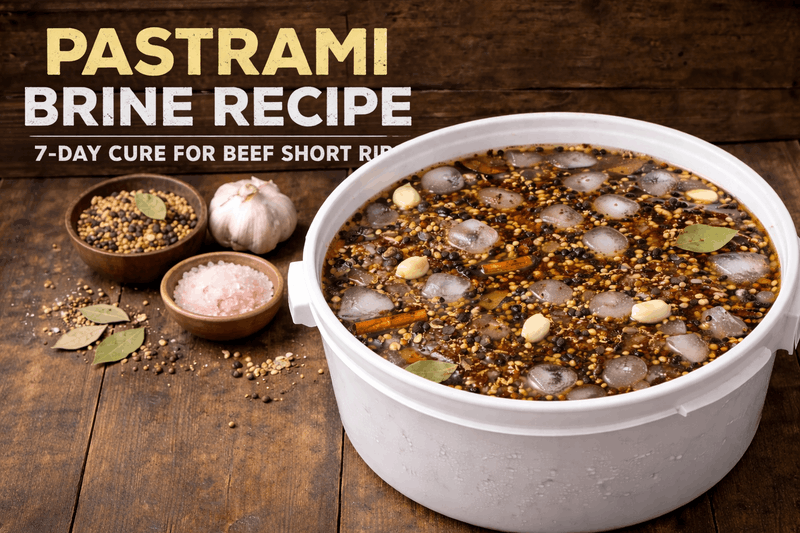
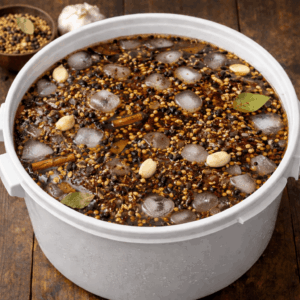
Large white pot filled with a dark, spiced stew or broth dotted with ice cubes, seeds, and nuts, resting on a wooden surface.

7 Day Pastrami Brine Recipe

A bold, flavorful pastrami brine made with toasted spices, garlic, and curing salt to fully season beef short ribs from the inside out. This 7-day curing process builds deep, classic pastrami flavor and sets the foundation for an unforgettable smoked finish.

Equipment

  • 1 Large Brining bucket Or large food safe container

Ingredients
  

Brine Ingredients

  • 1 1/2 gallons water
  • 3 cups Kosher Sea Salt
  • 1 1/2 cups Granulated White Sugar
  • 2 tbsp Pink Salt (sodium nitrite)
  • 10 Garlic Cloves Crushed
  • 8 1/2 lbs. ice

Pickling Spice

  • 1 tbsp Coriander Seeds
  • 1 tbsp black peppercorns
  • 1 tbsp mustard seeds
  • 1 tbsp allspice berries
  • 1 tbsp whole cloves
  • 1 tbsp Juniper Berries
  • 1 Small Cinnamon Stick, Crushed

Instructions
 

  • Preheat a skillet over medium heat. Toast the coriander and peppercorns just until fragrant. Be careful not to burn them. Place the heated spices in a cloth kitchen towel. Fold the towel over the spices and crack the pieces with a meat mallet, rolling pin or heavy skillet.
    1 tbsp Coriander Seeds, 1 tbsp black peppercorns
  • Combine the toasted spices with the remaining spices. Store in a sealed container.
    1 tbsp mustard seeds, 1 tbsp allspice berries, 1 tbsp whole cloves, 1 tbsp Juniper Berries, 1 Small Cinnamon Stick,
  • Combine all the brine ingredients, except the ice, in a large pot. Bring to a boil and stir until salt and sugar are dissolved.
    1 1/2 gallons water, 3 cups Kosher Sea Salt, 1 1/2 cups Granulated White Sugar, 2 tbsp Pink Salt, 10 Garlic Cloves
  • Add the ice to a larger brining bucket. Por the brine mixture over the ice. Stir to melt the ice.
    8 1/2 lbs. ice
  • Trim excess fat and silver skin off short ribs and add to the bucket of brining liquid. Lock the plate in place to make sure it is fully submerged. Refrigerate for 7-10 days.

Video

Notes

Makes enough brine for 2 whole 4-bone beef chuck short rib plates.
Keyword brine, how to cure beef, pastrami brine, pastrami cure

FAQ: Pastrami Brine

What is pastrami brine?

A seasoned curing liquid that flavors and preserves beef before smoking.

How long should I brine pastrami?

Typically 7–10 days depending on the size of the cut.

Can I use this for brisket?

Yes — this method works well for brisket.

Why is pink curing salt used in pastrami brine?

Pink curing salt helps develop the signature flavor, color, and texture associated with cured meats like pastrami. It also plays an important role in food safety during the curing process. If you want a deeper understanding of how curing works and why it’s used, you can learn more from the USDA’s guide to cured meats and poultry.